
Ogilvy and CAA launch Echo for AI ads with talent approval
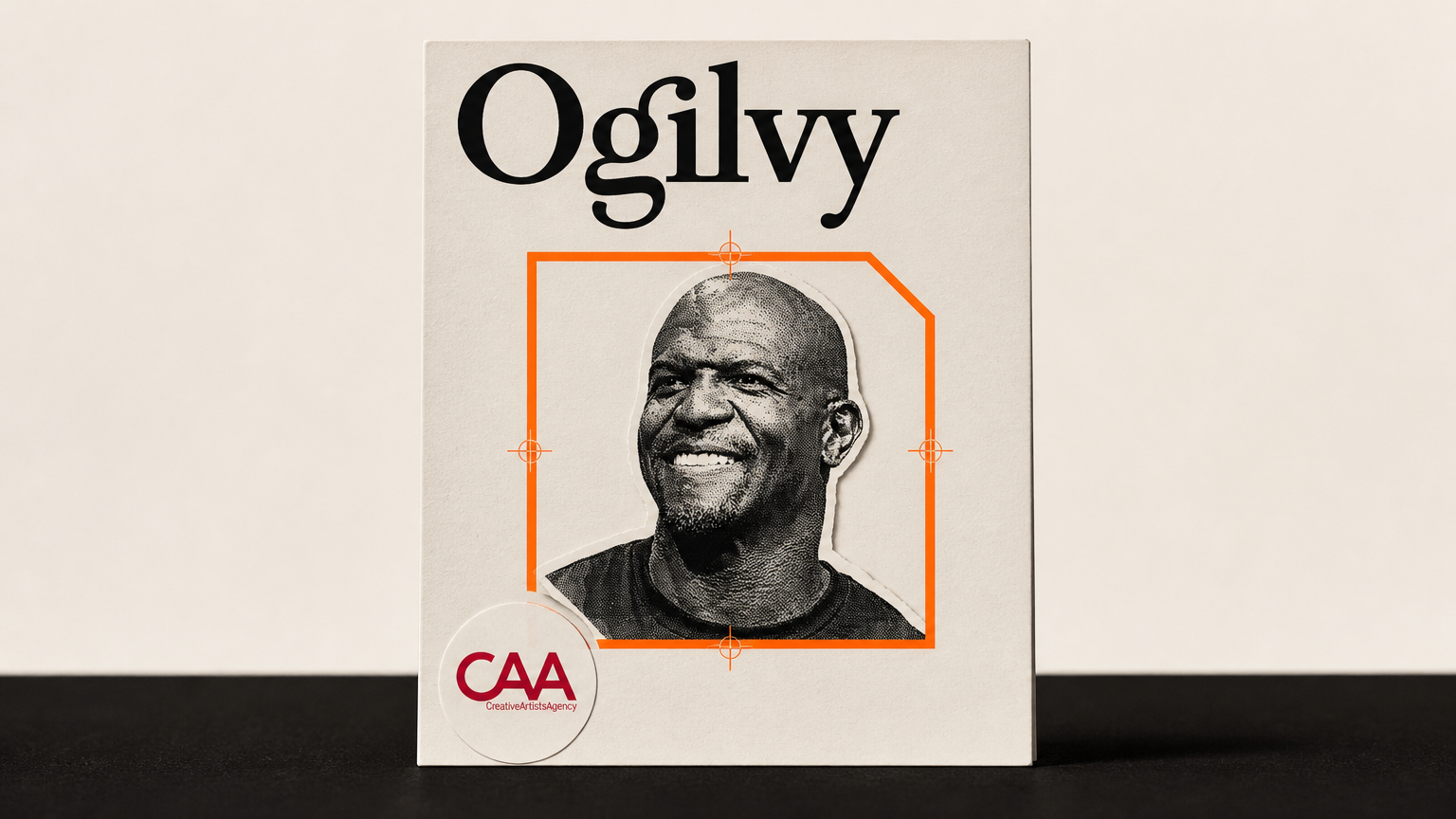
Terry Crews is the first named participant in a platform that draws on CAA's likeness vault and requires the featured celebrity to sign off on each ad.
Key takeaways
- Ogilvy, owned by WPP, and the talent firm Creative Artists Agency announced the platform Echo on November 9, 2026, generating celebrity ads from digital likeness, voice and intellectual property held in CAA's likeness vault.
- Every ad made through Echo requires the featured talent to sign off, and carries a label stating the celebrity "approved" and was "recreated by A.I.", according to the New York Times.
- Actor Terry Crews, a CAA client, is the first named participant; the first Echo-made ads will appear this holiday season as a test of consumer response, the New York Times reported.
- The companies did not name brand clients, and terms such as how long consent lasts, whether a celebrity can withdraw it and how payment is set were not disclosed.
Ogilvy, the agency owned by WPP, and the Hollywood talent firm Creative Artists Agency said on November 9, 2026, that they will let marketers generate ads from celebrities' digital replicas through a platform called Echo, but only with the featured talent's approval on each ad.
The New York Times reported the partnership; the original Times article is paywalled, and this account reads the full text published by the mirror DNYUZ. Echo draws on CAA's "vault," a database the agency uses to capture, store and license the digital likeness, voice and intellectual property of its clients.
Marketers use Echo to make ads that chase a TikTok trend, a holiday or a country-specific message, the Times reported, without returning stars to a set or a recording booth. Each ad requires the talent to sign off before it runs and carries a label stating that the celebrity "approved" and was "recreated by A.I." The paper said the work is "likely to result in more pay for celebrities."
The companies declined to name the brands participating; CAA's roster includes Tom Cruise, Margot Robbie and Sydney Sweeney, according to the Times. Neither firm disclosed Echo's consent terms. Crypto Briefing reported that how consent is defined, how long it lasts and what happens when a celebrity wants to withdraw were all still unanswered, and that a public unveiling is scheduled for November 12 during an OgilvyOn Live webinar.
Carol Reed, Ogilvy's global chief innovation officer, said clients need more content to stay relevant, especially on social. Alexandra Shannon, CAA's head of strategic development, said Echo checks each ad against brand and talent terms, so a client such as Crews, who does not endorse alcohol or gambling, is not put in one. "The biggest myth is that all artists are anti-A.I.," she said. The two made the same consent case on an Ogilvy panel at Advertising Week New York.
Actor Terry Crews, a CAA client known for "Brooklyn Nine-Nine" and a former NFL player, is the first named participant. He said he is tagged in "at least 10 different A.I. versions of me" every day, and that this summer Ogilvy used a digital replica of him in a video the agency shared privately with clients. "I'm ready to face any backlash," he said.
The deal opens a market where unauthorized likeness work is already common.
For creators, it puts a talent agency and a major ad agency behind a labeled, consent-gated likeness product for brands. If the holiday run holds, a licensed likeness becomes something a performer can sell rather than something to police; if audiences read the "recreated by A.I." tag as slop, the format could stall.
The first Echo-made ads are set to appear this holiday season, the Times reported. The public unveiling is scheduled for November 12, 2026, during an OgilvyOn Live webinar, according to Crypto Briefing.
Sources
- nytimes.com - original report, paywalled; read via mirror
- dnyuz.com - full New York Times text as republished by DNYUZ
- ogilvy.com - Ogilvy first-party page on consent, with Shannon and Crews statements
- cryptobriefing.com - November 12 webinar details, consent questions unanswered