
OpenAI's DevDay ships always-on agents and a cheaper GPT-6.1
dots run on GPT-6 Astra with their own cloud computer and reach more than 4,000 apps, while GPT-6.1 Sol brings near-Astra results at a fifth of the price.
Key takeaways
- OpenAI used DevDay 2026 on September 29 to launch dots, always-on agents powered by GPT-6 Astra that keep working outside the chat and reach more than 4,000 apps through plugins.
- GPT-6.1 Sol nearly matches GPT-6 Astra on agentic coding and computer use at one-fifth of Astra's standard input and output token prices, with cached input at $0.10 per million tokens.
- GPT-6 Astra Ultrafast went live in the API and in ChatGPT Work and Codex the same day, and OpenAI says GPT-6.1 Sol Ultrafast will generate tokens up to 8x faster than standard speed in Codex.
- dots are available on Pro and Business Premium in eligible markets, while Enterprise, Edu and Healthcare workspaces get a beta their administrators must enable.
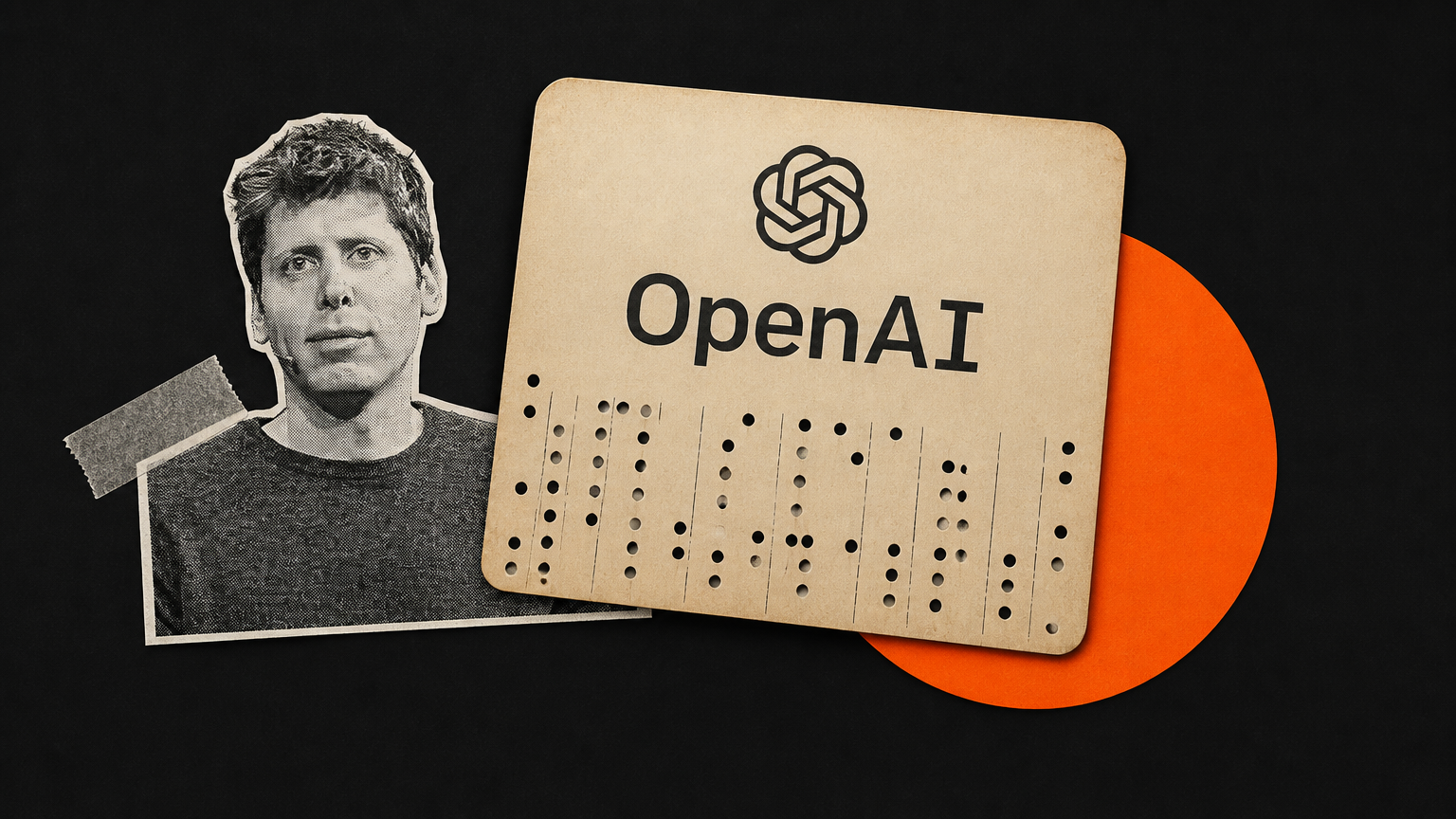
OpenAI's DevDay 2026 keynote opened in San Francisco on September 29 with an agent product rather than a model. The company calls the day "our biggest yet, with more than 20 major announcements," and its own recap sorts them under agents, Codex and the API, plugins, team collaboration tools, and ChatGPT subscriptions.
The launch it put first is dots: always-on agents that OpenAI says are "built to handle everything." Each dot runs on its own cloud computer, works on your goals around the clock, and learns from feedback over time. OpenAI says the plugin ecosystem behind them connects to more than 4,000 apps. dots are available on Pro and Business Premium in eligible markets; Enterprise, Edu and Healthcare workspaces can try a beta that a workspace administrator has to turn on, and it ships off by default.
The second announcement is the one with a number attached. GPT-6.1 Sol is an upgrade to GPT-6 Sol that OpenAI says nearly matches GPT-6 Astra's intelligence on agentic coding, computer use and professional work at one-fifth of Astra's standard input and output token prices. Cached input costs $0.10 per million tokens, which OpenAI describes as 95% less than standard input pricing and half of what GPT-6 Sol charged for cached reads. On DeepSWE v1.1, a benchmark for software-engineering work in real codebases, the company says Sol matches Astra at roughly one-fifth of the cost. It is available through the API, and to Plus, Pro, Business, Enterprise and Edu users in ChatGPT Work and Codex; OpenAI says it is not yet in Chat.
Speed arrived the same day. GPT-6 Astra Ultrafast is live in the API and in ChatGPT Work and Codex on Pro 500 and Enterprise plans, and OpenAI says the Sol version, coming soon, generates tokens up to 8x faster than standard speed in Codex.
The rest of the slate is infrastructure. A Decisions API uses the cheaper Luna model to answer a fixed set of questions with finite answers, which is the shape of a routing or classification step rather than a chat. Codex runs in the cloud now, from a phone or any device. A refreshed Codex CLI, Private Intelligence with a zero-data-retention mode for safety review, and a shared ChatGPT Space for teams fill out the recap. OpenAI puts the ChatGPT surface developers can build inside at 1.2 billion weekly users.
For anyone building on these APIs rather than chat, the price line matters more than the agent demos. Agentic video work, where a pipeline plans, generates, checks and regenerates, is billed by the token and the minute, so a near-frontier model at a fifth of the price and an 8x faster output tier change what a scheduled job costs to run overnight. The Verge, covering the run-up, noted that OpenAI was teasing "20+ launches" and that CEO Sam Altman had said the company "found a new thing."
dots are in the ChatGPT plans above; developers can call GPT-6.1 Sol through the API today, and the model page lists the cached-input rate.
Sources
- openai.com - OpenAI's own list of the launches, the dots and GPT-6.1 Sol summaries, availability and the 1.2B weekly users figure
- openai.com - what a dot is, GPT-6 Astra as its model, the cloud computer, the 4,000-app plugin ecosystem and the plan availability
- openai.com - GPT-6.1 Sol pricing, the cached-input figure, the DeepSWE v1.1 comparison and the 8x Ultrafast claim
- theverge.com - the "20+ launches" teaser, the keynote time and the event's context