
Why state AI deepfake laws may not stop a fake video
Thirty-one states now have election deepfake laws, and a new analysis of two of them shows how much fabricated video can still reach voters legally.
Key takeaways
- The National Conference of State Legislatures counted 31 states with election deepfake laws in June 2026, and 28 of them require disclosures rather than prohibiting the content.
- Louisiana's June 2026 law lets a fabricated campaign video circulate as long as it carries the required AI warning, and it excludes candidates for federal office.
- Maryland's May 2026 law bans certain deceptive election deepfakes even when they carry a warning, but a violation requires intent and a harm the law does not define.
- The Wesleyan Media Project identified at least 164 political ads created or enhanced with AI in the 2026 cycle by early September, accounting for nearly $80 million in spending, with about 7 in 10 carrying no AI disclosure.
A fabricated video of a candidate confessing to a bribe can reach voters in most American states without breaking a law, and in some states it can be circulated legally as long as it carries a warning saying it was made with AI. That is the gap a new analysis from the University of Denver sets out by walking through two state laws in detail.
The author is Stefani Langehennig, an AI policy scholar whose programme tracks bills and laws across the country. Her question is not whether states have legislated, because they have, but what protection a deepfake law actually gives a voter.
Thirty-one states, three approaches
The National Conference of State Legislatures counted 31 states with election deepfake laws in its June 2026 report. California and Texas passed the first of them in 2019, and most states adopted theirs in 2024 or later. Among the 31, 28 require a disclosure. Three, Maryland, Minnesota and Texas, prohibit certain election deepfakes outright, even when the content carries an AI warning.
That split is the whole argument. A disclosure law tells viewers how something was made. It does not decide whether what the video claims is true, and it does not stop the video circulating.
When a warning is enough
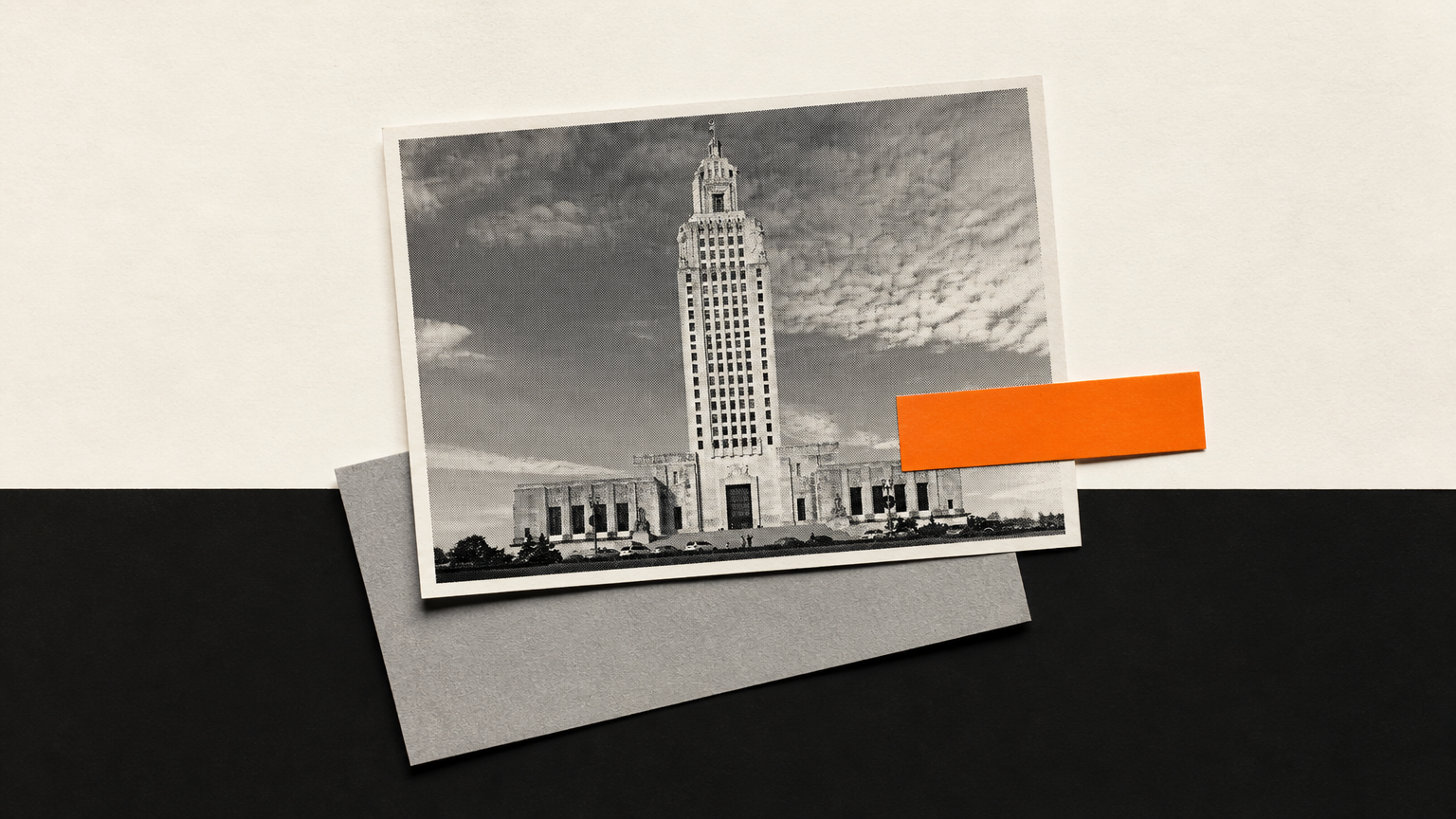
Louisiana passed its election deepfake law in June 2026. It requires a clear AI warning on certain messages urging people to vote for or against a candidate, across print, online advertising and broadcasts.
For video, adding the required warning can satisfy the law. The warning tells voters how the content was made. It does not certify the accusation inside it, and it does not excuse violations of other laws, but it does let the ad stay up.
Two limits matter more than the rule itself. The Louisiana law excludes candidates for federal office, so a fabricated video about a congressional candidate needs no AI warning at all. And the penalties bite only for state and local candidates, where a violation that damages a candidate's reputation or deceives voters can bring a fine of up to $2,000, up to two years in prison, or both, with local district attorneys generally deciding whether to prosecute.
Louisiana also has a separate May 2026 rule for campaign calls. Robocalls that use AI to reproduce a public figure's voice must disclose that use at the start of the call, enforced by the state board of ethics, with civil fines of up to $2,500 for a first violation and $5,000 after that.
When a warning is not enough
Maryland took the opposite route in May 2026. Its law covers images, audio and video created or altered with AI to falsely depict a person in a way that looks or sounds genuine, and adding a label does not make that lawful.
The conditions are where it gets thin. A violation requires knowingly or recklessly creating, using or spreading a deepfake to produce materially false information, with an intent such as influencing a voting decision. The law also requires actual or intended harm to a voter, a potential voter or a ballot petition, and it does not define that harm. Misleading voters about a candidate on its own does not establish it. A conviction can bring up to $5,000 and up to five years in prison.
Maryland gives election officials their own tools: the state's top election administrator must publicly correct credible reports of misinformation about voting procedures, results or rights, and can seek a court order to remove it, though not against online services hosting other people's posts.
The numbers, and the courtroom
By early September 2026 the Wesleyan Media Project had identified at least 164 political ads nationally created or enhanced with AI during the 2026 cycle, accounting for nearly $80 million in spending. About seven in ten carried no AI disclosure. That count includes uses beyond deceptive impersonation, so it does not establish how many ads broke a law.
Enforcement is contested as well. In September a federal judge temporarily barred Montana from enforcing its deepfake election ads law against a conservative political action committee, finding it likely posed a threat to the group's free speech rights under the First Amendment.
What the research says about warnings
Two studies suggest disclosure has a narrow effect. A 2025 experiment testing warning labels on misleading AI-generated images with 7,579 Americans found that people who saw the labels were less likely to believe the posts' claims, but that simply identifying content as AI-generated did little to change their stated willingness to share it. A second study found that people rated headlines as less accurate when they were labelled AI-generated, whether or not the headlines were true.
Neither study tested whether a state's disclosure law changes how anyone votes, and neither can say whether the threat of punishment under Maryland's law deters anyone from making or spreading a deepfake.
What to do with this
The practical takeaway for anyone who watches political video is that the absence of an AI label is not evidence that a clip is real. The disclosure rule may not cover what you are watching, as with federal candidates under Louisiana's provision, or the rule may have been ignored.
For creators, the same enforcement gap runs the other way: the Montana injunction shows how quickly a deepfake statute can be paused.
The NCSL keeps a state-by-state tracker of AI election legislation, and the University of Denver's AI policy tracker follows live bills.
Sources
- theconversation.com - the two-law analysis by the policy scholar who wrote it
- ncsl.org - the state-by-state legislative count
- mediaproject.wesleyan.edu - the count of AI-assisted political ads and spending
- reuters.com - the Montana injunction and its First Amendment reasoning