
Argil Director turns a story brief into a storyboarded film
Argil says the harness cuts creative iteration by 80%, and it is available now to registered users on a credit-based subscription.
Key takeaways
- Argil launched Argil Director, a storyboard-to-film video harness, on 7 October 2026, live to registered users at argil.ai.
- Argil says the harness cuts video creative iteration by 80%, a figure the company attaches to its storyboard pre-planning step.
- Argil Director runs on a subscription, and rendering video draws down account credits.
- The maker is Paris-based Argil, a Y Combinator S24 alumnus.
Argil launched Argil Director on 7 October 2026, a video harness that carries a story brief from a written idea through storyboard breakdown and per-shot direction into an assembled, multi-scene film. The tool is live now for registered users at argil.ai, the launch write-up reports.
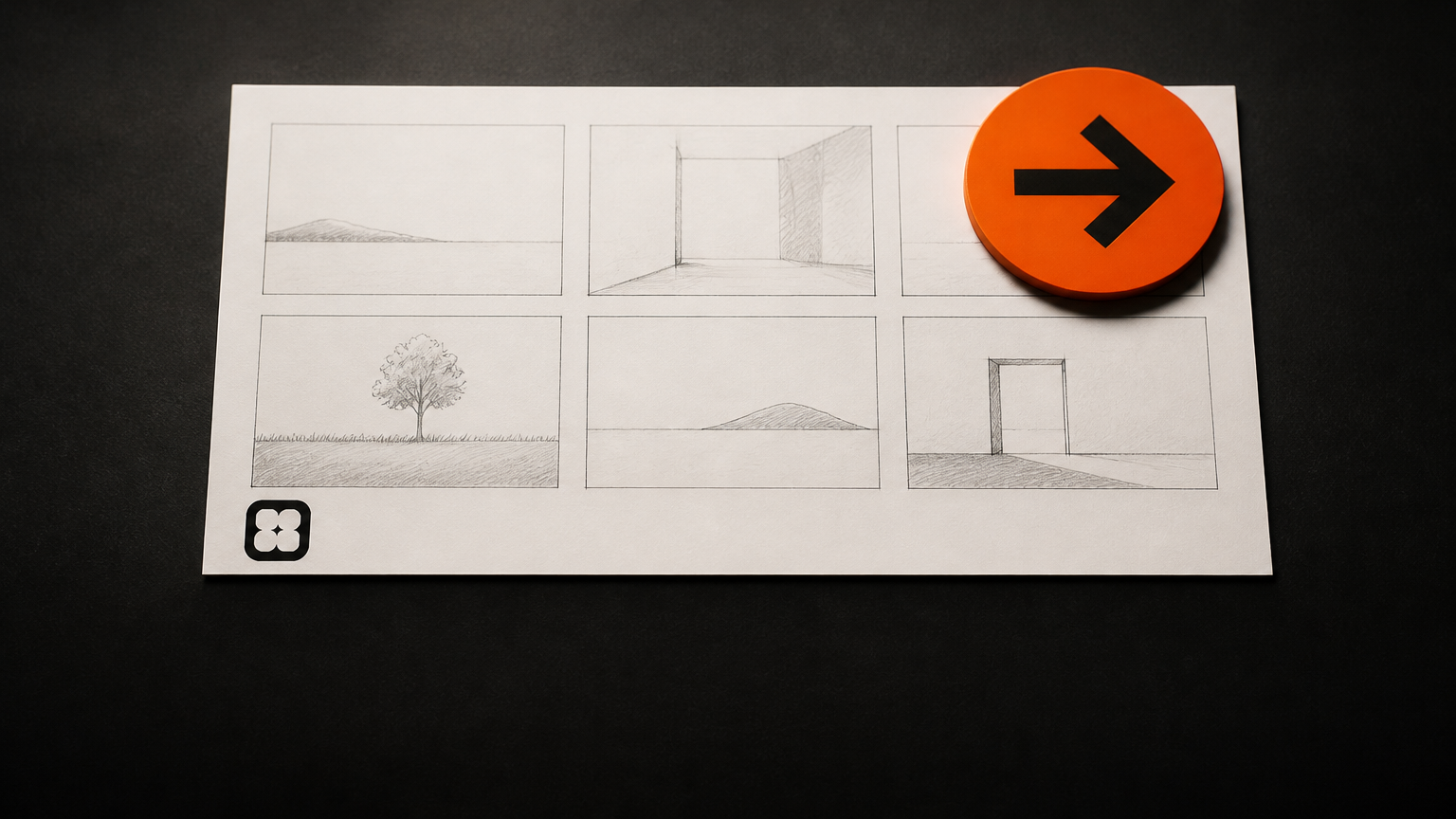
Argil Director treats storyboarding as the production step rather than a formality. A brief, script or narrative concept is split into separate scenes, each with a proposed camera angle, action and duration that the creator can review, reorder or edit on a visual storyboard before rendering starts. Argil says that front-loaded planning is what cuts creative iteration, and puts the reduction at 80%. The write-up reports the harness breaks a script into two to four scenes, with individual shots running 3 to 15 seconds, and routes simple shots to fast engines and complex ones to higher-fidelity models.
Argil is a Paris-based studio and a Y Combinator S24 alumnus. Its own site frames the product as an idea-to-film loop: you bring a sentence, a character or a world, and Argil builds the storyboard and renders the shots. The worked example on argil.ai is a seven-shot, 30-second film at 1080p in 16:9, made from one brief and edited inside the same session.
Characters, locations and visual styles sit in a reusable library, so a project's look carries into the next story without rebuilding it. The site's stated starting point is a single sentence.
The launch write-up reports the service runs on a credit-based subscription, with rendering and advanced features drawing down account credits. That makes the storyboard step, where a creator fixes a shot before spending compute, the place where the cost is decided.
For a creator, the pitch is less re-prompting: change a shot's framing, action or timing on its card instead of regenerating a whole clip. The write-up notes that the underlying models still produce consistency wobbles, so the 80% figure speaks to planning and sequencing time, not to a finished cut.
Argil Director is available now at argil.ai, where you register an account and start from a brief; rendering runs against your plan's credits.
Sources
- argil.ai - the product site; confirms the idea-to-storyboard-to-film workflow, per-shot direction, the reuse library and the seven-shot example
- tau-home.com - launch date, Paris/YC S24, the 80% claim and the credit-based subscription