
FBI seizes FaceStealer infrastructure behind $400M crypto theft
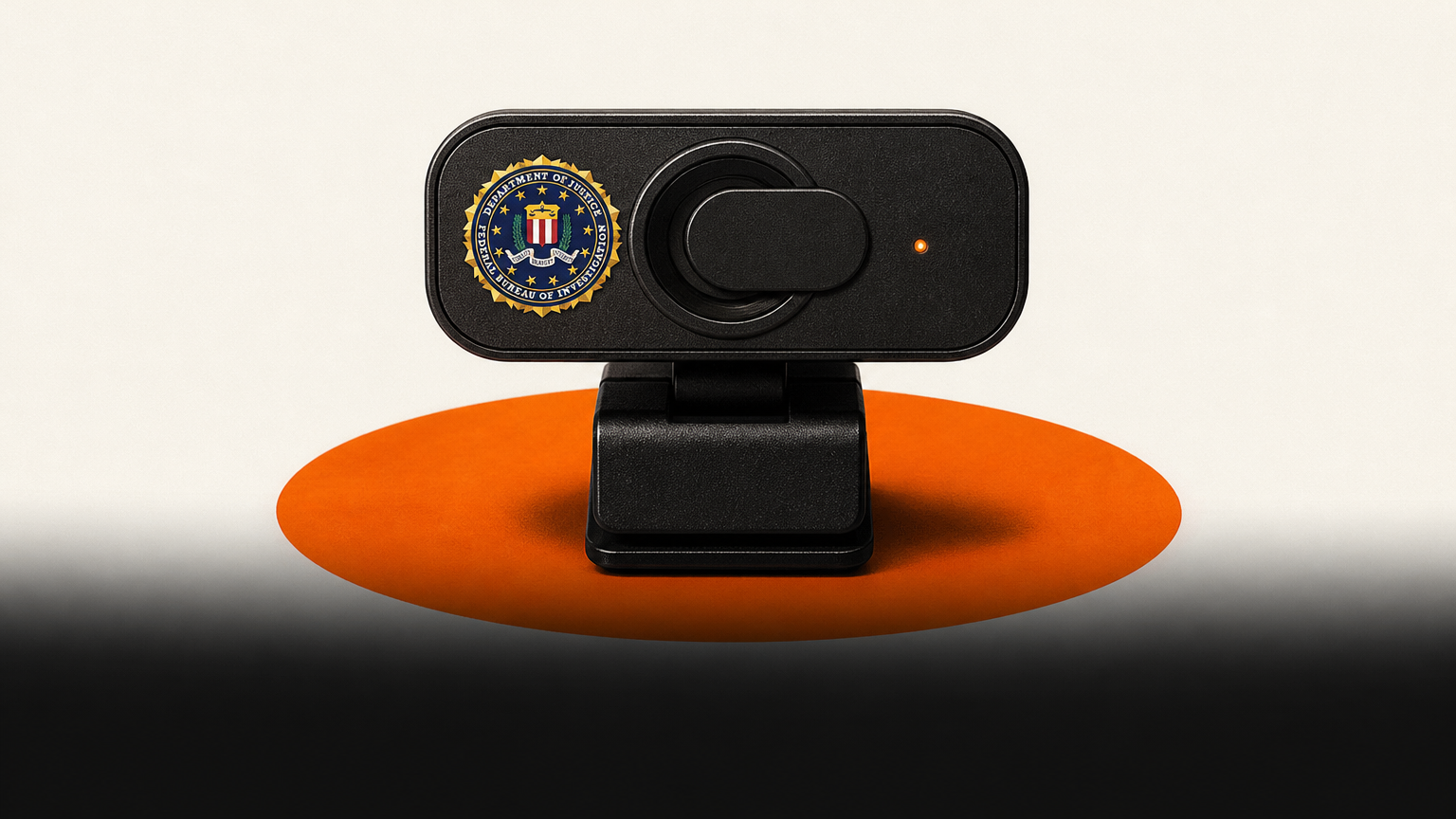
The FBI says it seized more than 900 secretly recorded webcam videos the North Korean hackers replayed, alongside AI deepfakes, to impersonate crypto workers.
Key takeaways
- The Justice Department said on November 12, 2026 that it seized cloud-based infrastructure used in FaceStealer, a North Korean scheme that the FBI says stole more than $400 million in cryptocurrency over 18 months.
- The FBI said it seized more than 900 secretly recorded webcam videos that the hackers replayed, along with AI deepfakes of well-known crypto figures, to impersonate trusted contacts inside fake Zoom, Microsoft Teams and Google Meet calls.
- The Justice Department separately obtained court authorization to seize or restrain more than $1.2 billion of the more than $6 billion that North Korean hackers known as TraderTraitor stole from Binance on or about October 29, 2026; more than $2.7 billion has been frozen.
- The FBI says the group has widened the scheme to open-source software maintainers to reach the software supply chain, and it published defense guidance at fbi.gov/facestealer.
The U.S. Department of Justice said on November 12 that it had seized the cloud-based infrastructure behind FaceStealer, a North Korean social engineering scheme that the FBI says used secretly recorded webcam videos and AI-generated deepfakes to steal more than $400 million in cryptocurrency over the past 18 months.
In the same announcement, the department said it had obtained court authorization to seize or restrain more than $1.2 billion of the more than $6 billion in virtual assets that North Korean military hackers stole from the Binance exchange on or about October 29, part of a freeze of more than $2.7 billion.
The FaceStealer action was announced by the U.S. Attorney's Office for the Central District of California. The FBI attributes the scheme to a North Korean hacking cluster tracked publicly under several names, including Sapphire Sleet, UNC1069, BlueNoroff, APT38 and Stardust Chollima.
"North Korean cyber actors have used the FaceStealer scheme to aggressively target individuals in the cryptocurrency and Web3 sectors through deceptive social engineering tactics, resulting in the theft of more than $400 million in the last 18 months," FBI Cyber Branch Operations Director Brett Leatherman said in the release.
FBI officials tied the scheme to the platform trust that business video calls run on. "It exploits our trust in ubiquitous video conference platforms and valued personal relationships," said Patrick Grandy, assistant director in charge of the FBI's Los Angeles Field Office. "If you can't imagine a scenario where you might fall prey to it, you are not thinking creatively enough."
How the fake call works
An FBI FLASH published the same day describes the mechanics. The hackers run imposter copies of Zoom, Microsoft Teams and Google Meet on servers they control, and lure targets to them with invitations sent from communication and social accounts hijacked from earlier victims, on platforms including Telegram, LinkedIn, Slack and Discord.
Once the target joins, the hackers play a prerecorded webcam video of a previous victim the target knows, so the call looks like a conversation with a trusted contact. They record the new target's webcam too. When they claim an audio problem and send a link or prompt to "fix" it, the fix installs malware that can steal cryptocurrency and hand over the victim's contact lists.
The FLASH says the group has started using what the FBI calls super intelligence to generate deepfake videos of well-known and influential people in the crypto and web3 industries, made from publicly available photos and videos, and inserts them into the calls to pose as participants. The deepfakes only need to look good enough to pass as webcam video, the bureau says, and the scheme still relies mostly on genuine stolen footage.
Special agent Jeremy Robertson, who oversees counterintelligence and cyber investigations at FBI Los Angeles, described the fake call to reporters, as reported by The Register: "you're going to see their face, you're going to see them looking around, you're going to see them mouthing some words, and then in the text box you're going to receive some instructions."
Pursuant to a federal warrant, the FBI said it seized more than 900 webcam videos of FaceStealer victims. The bureau also widened the warnings to open-source software developers and maintainers, whose repository accounts the hackers have targeted to reach the software supply chain. The FLASH describes an attempt against a JavaScript library that receives tens of millions of downloads per week, caught before the malicious dependencies could spread.
The FBI's guidance is procedural rather than forensic: join a meeting through the official app with an invite code instead of a link, keep the webcam off until you can see and hear the person who invited you, confirm the meeting through a second channel, and never copy code into a terminal to fix a meeting.
The Binance seizure
The Binance theft is attributed to a separate North Korean group the FBI calls TraderTraitor. The FBI, the Secret Service and IRS Criminal Investigation issued a Cyber Alert on October 31 attributing the theft and asking exchanges, node operators and other virtual asset providers to block the addresses involved. The FBI's Los Angeles Field Office, Cyber Division and Virtual Asset Unit are coordinating recovery, with tracing and forfeiture ongoing.
FaceStealer is one of two deepfake-impersonation cases the Justice Department has moved on in about a week. On November 5, the U.S. Attorney's Office for the Southern District of New York unsealed an indictment charging three foreign nationals, Jacob Soall, Sharon Hazan and Guy Sheetrit, with using super intelligence to impersonate corporate executives and attorneys and steal more than $129 million from companies worldwide. Those charges are allegations, and the defendants are presumed innocent.
For creators and the wider AI-video field, the FaceStealer case is an example of generated video used to pass as ordinary webcam feed inside a business call. The FBI's own account sets the bar low, and the bureau's advice leans on verifying the meeting out of band rather than spotting the fake by eye.
The FaceStealer seizure and the Binance forfeiture actions are ongoing; the FBI's FaceStealer report and protection guidance are published at fbi.gov/facestealer.
Sources
- justice.gov - announcement, figures, official quotes, November 12 date
- ic3.gov - FBI FLASH: scheme mechanics, deepfake component, 900 videos, recommendations
- fbi.gov - FBI hub page, exploit lifecycle, attribution names
- fbi.gov - October 31 Cyber Alert attributing the Binance theft
- justice.gov - comparison indictment, $129 million
- theregister.com - FBI agent description of the fake call
- bleepingcomputer.com - independent mechanics and context
- bbc.com - independent account and victim count
- decrypt.co - independent account of the deepfake mechanics