
Steel Ray is Korea's most-watched AI feature film
The 90-minute sci-fi feature was assembled from about 13,000 AI clips on a budget under 1 billion won, and its ticket sales show how hard AI films are to sell.
Key takeaways
- Steel Ray, a 90-minute Korean sci-fi feature made end to end with generative AI, drew roughly 5,300 moviegoers through October 30, 2026, the most of any AI feature released in South Korea, according to the Korean outlet Edaily.
- A team of just over 10 people spent six months generating some 13,000 video clips of about 15 seconds each and cutting them into the film, on a budget under 1 billion won, director Seol Woo-in told Edaily.
- Cumulative box office revenue was 43.71 million won through October 25, which after tax and fund deductions and an even split leaves about 19 million won for the investor and distributor, per Korean Film Council data Edaily cited.
- Director Seol Woo-in is preparing a sequel, Steel Ray 2, for next year and plans to develop the film's AI character, Yoon Kang, into a standalone screen actor.
A 90-minute science-fiction feature made end to end with generative AI has become the most-watched AI film ever released in South Korea, and the record is modest: about 5,300 tickets sold.
"Steel Ray" opened in Korean theaters on October 21, 2026. Director Seol Woo-in told the Korean business outlet Edaily on October 31 that the film had drawn roughly 5,300 cumulative moviegoers through October 30, and Edaily calls it the most-watched AI feature released in South Korea to date.
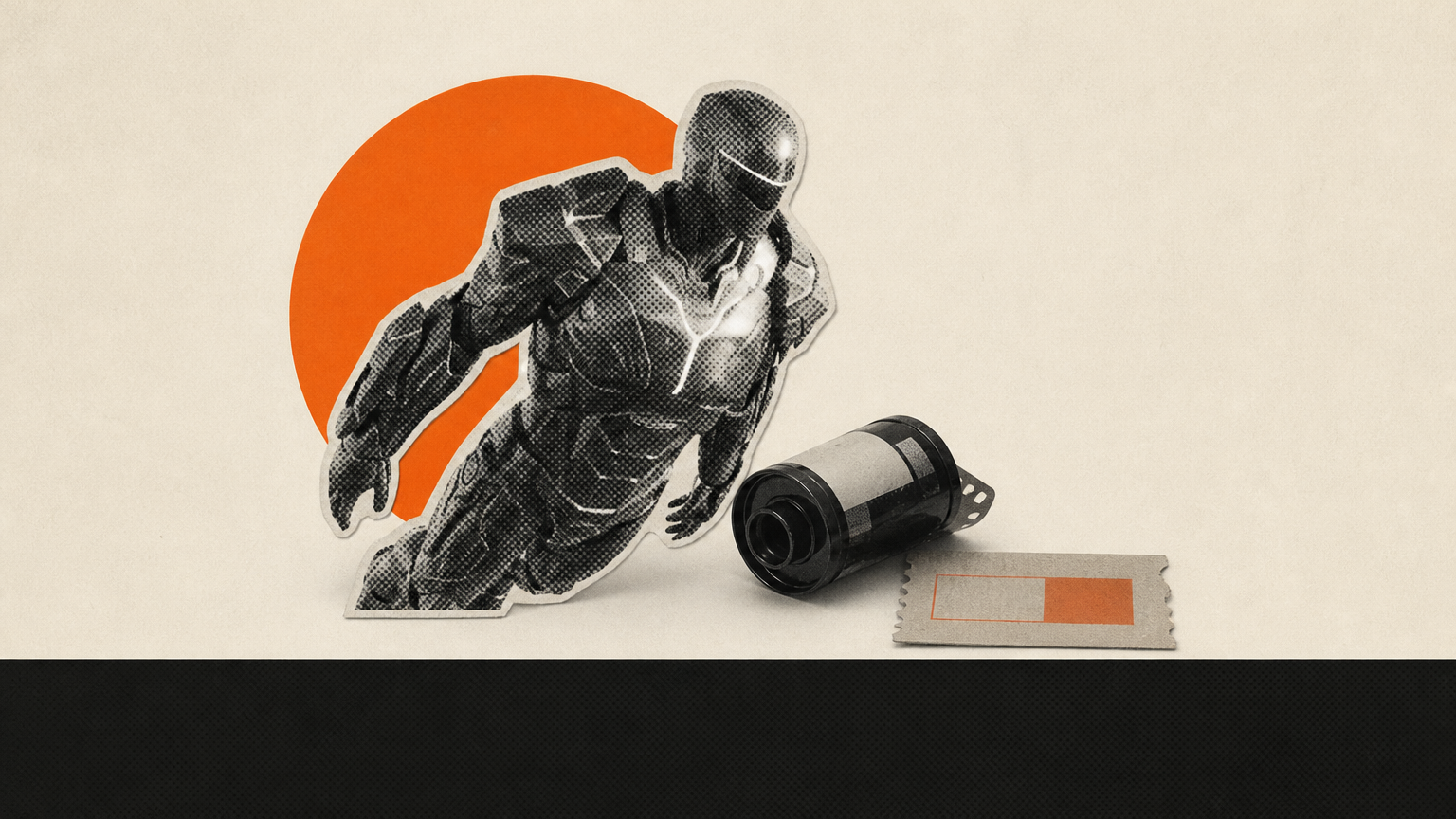
The film follows Yoon Kang, a young man who puts on a combat suit, the Steel Ray, to fight an autonomous robot that has judged humans a threat. It was made without actors and without sets. A team of just over 10 people spent six months generating roughly 13,000 video clips, each about 15 seconds long, and cutting them into a 90-minute film, Seol said. The production budget was under 1 billion won, and generative AI tools alone accounted for 500 million to 600 million won of it, the Korean outlet MK reported from the film's September press event.
Edaily lists the toolset as Seedance, Kling, Higgsfield, Suno and two other generative services. Human performances were added to the voices: Seol and the production team recorded their own dialogue replacement (ADR), combining the AI-generated faces and movements with the breathing and emotional expressions of real people.
What the numbers say
The audience figure comes from the Korean Film Council's integrated network. Edaily reported that Steel Ray had 4,354 cumulative viewers as of October 25, with cumulative revenue of 43.71 million won. After a 10% value-added tax (about 4.37 million won) and a 3% Film Development Fund levy (about 1.31 million won), about 38.03 million won remains. Split evenly between the theater and the investor-distributor, that leaves roughly 19 million won for the distributor's side.
| Korean AI feature | Released | Cumulative viewers | Cumulative revenue |
|---|---|---|---|
| Steel Ray | October 21, 2026 | 5,300 through Oct 30 | 43.71M won through Oct 25 |
| I Am Popo | May 2026 | 940 | 9.87M won |
| The Man in Hanbok | 2026 | 652 | 5.74M won |
Steel Ray's box office is the largest of the three, and it is still small enough that theatrical revenue alone cannot cover the production. The pattern is the point. Cutting the cost of backgrounds, effects and motion does not buy a story that fills a theater, and the marketing and distribution a theatrical release needs are unaffected by how the footage was made.
Aino Studio chief executive Ham Seul-gi, whose company co-produced the film, said the team's priority was holding a narrative together across 90 minutes, according to the Korean outlet Cineplay. The production could only make about 15 seconds at a time, so it edited 13,000 results into the runtime and discarded many more.
What to watch
Seol is preparing a sequel, "Steel Ray 2," with a target release date next year, and the team plans to develop the film's AI character, Yoon Kang, into a standalone screen actor it can cast in other productions. The first film's job, Ham said, was to prove that AI could sustain a 90-minute runtime at all.
Seol's own account of the limits is blunter. He told Cineplay that the hardest part was the uncertainty of production conditions, because most generative AI tools are overseas services whose updates and credit policies can move a schedule and a budget.
Steel Ray is in Korean theaters now.
Sources
- en.edaily.co.kr - Seol Woo-in interview: 13,000 clips, ~10-person team, six months, under 1 billion won, ~5,300 viewers through Oct 30, most-watched Korean AI feature, sequel, toolset
- en.edaily.co.kr - Korean Film Council box office: 4,354 viewers and 43.71M won through Oct 25; I Am Popo and The Man in Hanbok figures; tax and distribution math
- global.specialtimes.co.kr - Oct 21 release, 90 minutes, ages 12 and up, Seedance 2.0, 13,000 results, up to 15 seconds per clip, September preview, critical reception
- mk.co.kr - budget under 1 billion won, 500M to 600M won spent on generative AI tools, no CG
- cineplay.co.kr - Aino Studio chief executive Ham Seul-gi on holding a 90-minute narrative together