
Fanta's AI Halloween ad is marketing for the marketing
Coca-Cola put Fanta's AI Halloween campaign into 50 markets on the back of a 10 billion-impression year, and almost every comment it drew was negative.

Key takeaways
- Fanta's Haunted Universe Halloween campaign went to 50 global markets, developed by WPP Open X and led by Ogilvy, with the platform created by AI studio GRAiL, per Marketing Dive.
- Fanta's 2025 Halloween campaign delivered 10 billion impressions, Fanta global vice president of marketing Ibrahim Khan told Marketing Dive.
- A University of Mississippi study published in the Journal of Interactive Advertising on July 29, 2026, finds AI ads succeed when the technology is central to the idea and draw backlash when it only replaces human work.
- Creative Bloq reported on October 8 that almost all comments on Fanta's AI Halloween ad are negative, with many viewers vowing never to buy the brand again.
There is one sentence in the Fanta campaign that carries all of it, and Marketing Dive printed the thing. "What Christmas is to Coke is what we want Halloween to be for Fanta," said Ibrahim Khan, the brand's global vice president of marketing. Behind him sat a number: 10 billion impressions on last year's Halloween campaign. That number is the pitch.
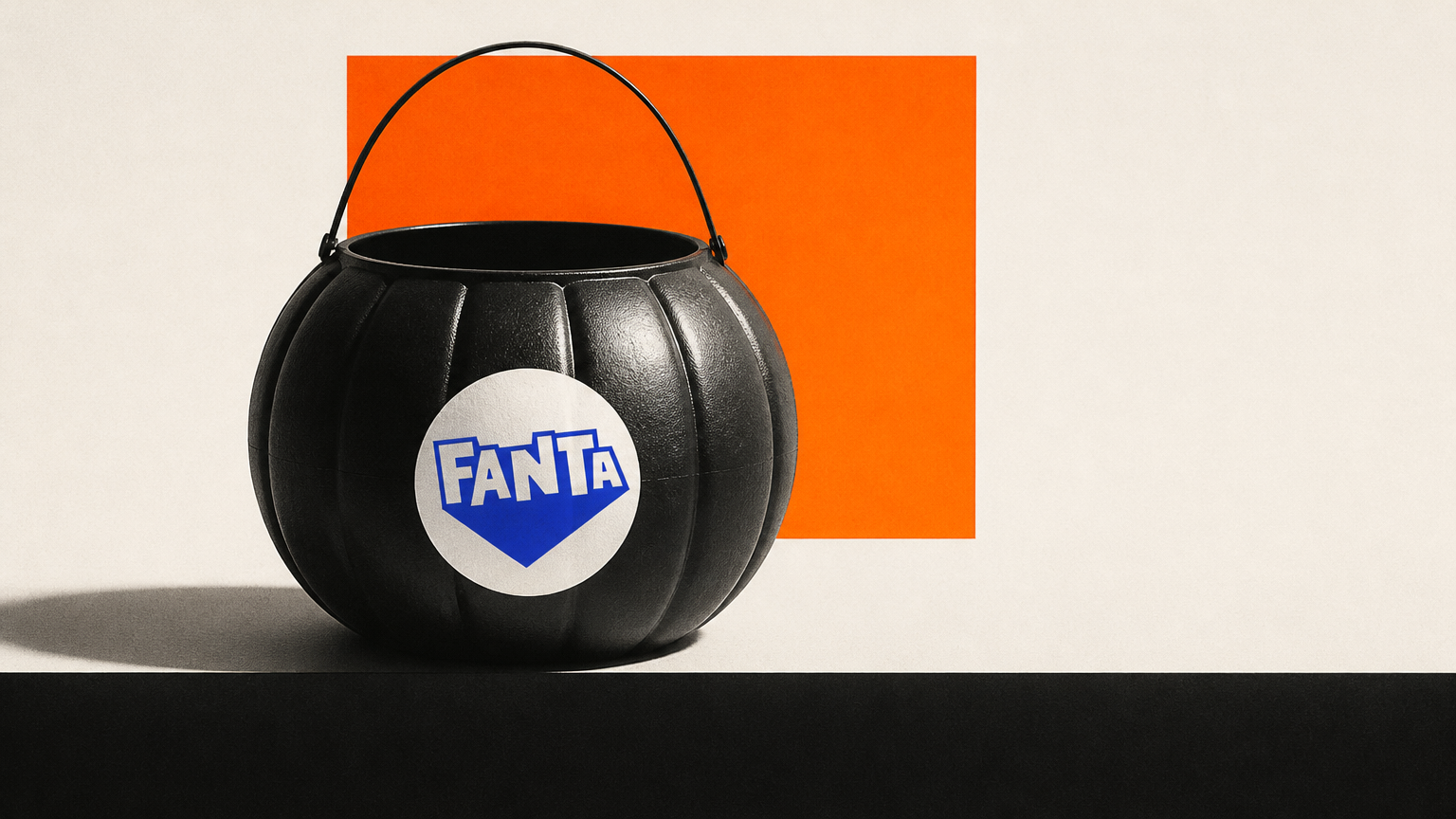
A number like that buys a machine. So Fanta built what it calls the Haunted Universe, a "platform" with original characters, backstories and lore that the brand means to run for years. The world came from an AI studio called GRAiL. The campaign around it was developed by WPP Open X, led by Ogilvy and supported by VML, WPP Media and WPP Production, with the shop ForPeople in the mix, and it shipped to 50 global markets.
Here is the inventory, and every line is true. A trailer. Collectible cans. A limited-time flavor. The return of the Haunted Fanta Factory. Influencers handed literature and backstories so their posts match the world. A cast with a cyborg Frankenstein and a werewolf DJ, plus a guest shot from Ghostface, of Scream, per Creative Bloq. Fifty markets and one platform and a lore document, sold as an annual appointment.
Then it played in front of a film somewhere, and the room answered.
Creative Bloq collected the reaction on October 8. Almost all of the comments are negative, the site reported, and many came from people vowing never to buy Fanta again. "Crazy they don't see how bad it looks and how it cheapens their brand," one person wrote on X. "I cannot express to you how much more effort, creativity, and overall watchability went into that Tubi movie than this ad," wrote another. A third, looking at a soda ad, asked what was in the food that lowered the production cost. Creative Bloq gathered those comments without linking the posts, so they sit here as words and not as post cards.
The loudest people on the internet are not a market sample, and Creative Bloq says so itself. Millions will buy the orange soda and never wonder who drew the werewolf. That is the defense, and it deserves a hearing.
The case for the Haunted Universe
A brand wants a season, and there is nothing crooked in that. Coca-Cola owns December. Fanta wants October. The machinery behind the wish is real: a studio that, per Marketing Dive, employs writers, editors, artists and technologists alongside the model, a 50-market rollout, collectibles, a live experience, and a longer game than one weekend of haunted house. Khan's own framing reaches past the ad. "We have original characters, lore and stories, and we will also be inviting pop culture IP to join us in this universe," he told Marketing Dive. The Haunted Universe, he told Adweek, is meant "to be a platform that entertains fans for many years to come." A brand that owns characters it can return to every October is making a better bet than a brand that rents a mascot each fall, which is the smaller version of the trick SKF pulled with Greta Garbo, an AI spokeswoman for its bearings. AI is what made Fanta's version of the bet affordable.
That is a strong case. For one paragraph it holds.
Why the machine was never the point
Then you read what the researchers found. Chang-Won Choi and Robert Magee, of the University of Mississippi, published the study in the Journal of Interactive Advertising on July 29, 2026, and the result they call the AI-ad theme match, summarized by Scienmag, does not flatter this campaign. Consumers reward AI when it makes something that could not otherwise exist, and they punish it when it appears to do work a person could have done. Coca-Cola's 2023 Create Real Magic let thousands of fans build art with the logo, and people liked it, because no staffing plan delivers thousands of custom pieces. The company's 2025 AI holiday commercial drew ridicule because the machine animated what a room of human animators could have drawn.
Set the Fanta trailer on the same scale. It is a cartoon of monsters, and a room of animators could have drawn every frame of it. No part of the Haunted Universe needs the model to exist. There is only a version of it that got cheaper once the model arrived, which is the exact place the study says the audience stops being generous. Choi's advice to the industry was almost insultingly plain: start with the idea, then ask whether AI is necessary, and if it is, the reason should be obvious to the person watching.
On the trailer, it is not obvious. So the viewer does the arithmetic instead. Fifty markets. Collectible cans. A lore document. And a studio's worth of work, skipped.
The machinery is not scarce either. Meta opened its AI video ad tools to all advertisers, and the same pitch sits on the shelf for anyone with a budget. That is the part of the campaign no trailer can sell: what Fanta bought is available to its competitors by lunch.
I hold no Fanta stock and no Coca-Cola stock, and this is opinion, so take it as such. The fraud in the campaign is the word "platform," used by a soda brand to be paid and covered like a studio without hiring like one. AI did not invent that ambition. It made the ambition cheap enough to run in fifty markets at once, which is a different and more useful thing to name.
The people who sold the pitch will survive the quarter. Ten billion impressions is a number nobody argues with in the room where the budget gets decided, and a backlash on X has never moved a quarterly report by itself. What they will spend instead is harder to invoice. The comments Creative Bloq gathered had stopped arguing about slop and started talking about trust, and a brand can buy fifty markets without ever buying back the feeling that it was talking down to all of them.
Khan wants October for Fanta the way Coca-Cola owns December, and ten billion impressions say the season is there. The comment section says the brand is not. Fanta paid a studio to draw the first part, and the audience supplied the second one for free.
A new campaign, a lore document and a machine that draws monsters: the Fanta Haunted Universe trailer, the 10 billion-impression record behind it and the study that explains the reaction are all linked above.
More from SLOP TV on AI advertising
- Meta opens its AI video ad tools to all advertisers
- Runway launches an AI agent for paid ad creative
- Luma's Ad Variants turns one static ad into five sizes
- SKF brings back Greta Garbo as an AI spokeswoman for bearings
- CapCut and Massive Studios are making three AI holiday shorts
- The 8 cheapest AI video APIs, ranked by price per second