
Scott Wiener, Pelosi's successor, is ready to regulate AI
The state senator behind California's SB 1047 and SB 53 won Nancy Pelosi's old San Francisco seat and wants Congress to act on AI.
Key takeaways
- Scott Wiener authored California's SB 1047, which Governor Gavin Newsom vetoed, and then sponsored SB 53, which Newsom signed; both have inspired proposed federal legislation.
- Wiener won the tight race for the San Francisco congressional seat that former House Speaker Nancy Pelosi left open, MIT Technology Review reported on November 9, 2026.
- Wiener called a METR report on AI self-improvement "very concerning," and said his hope that Congress would take decisive action before the end of the year "does not appear to be happening."
- Wiener wants "a strong, empowered, nimble federal regulator," pointing to Representative Ro Khanna's proposed legislation, and he opposes broad federal preemption of state AI laws.
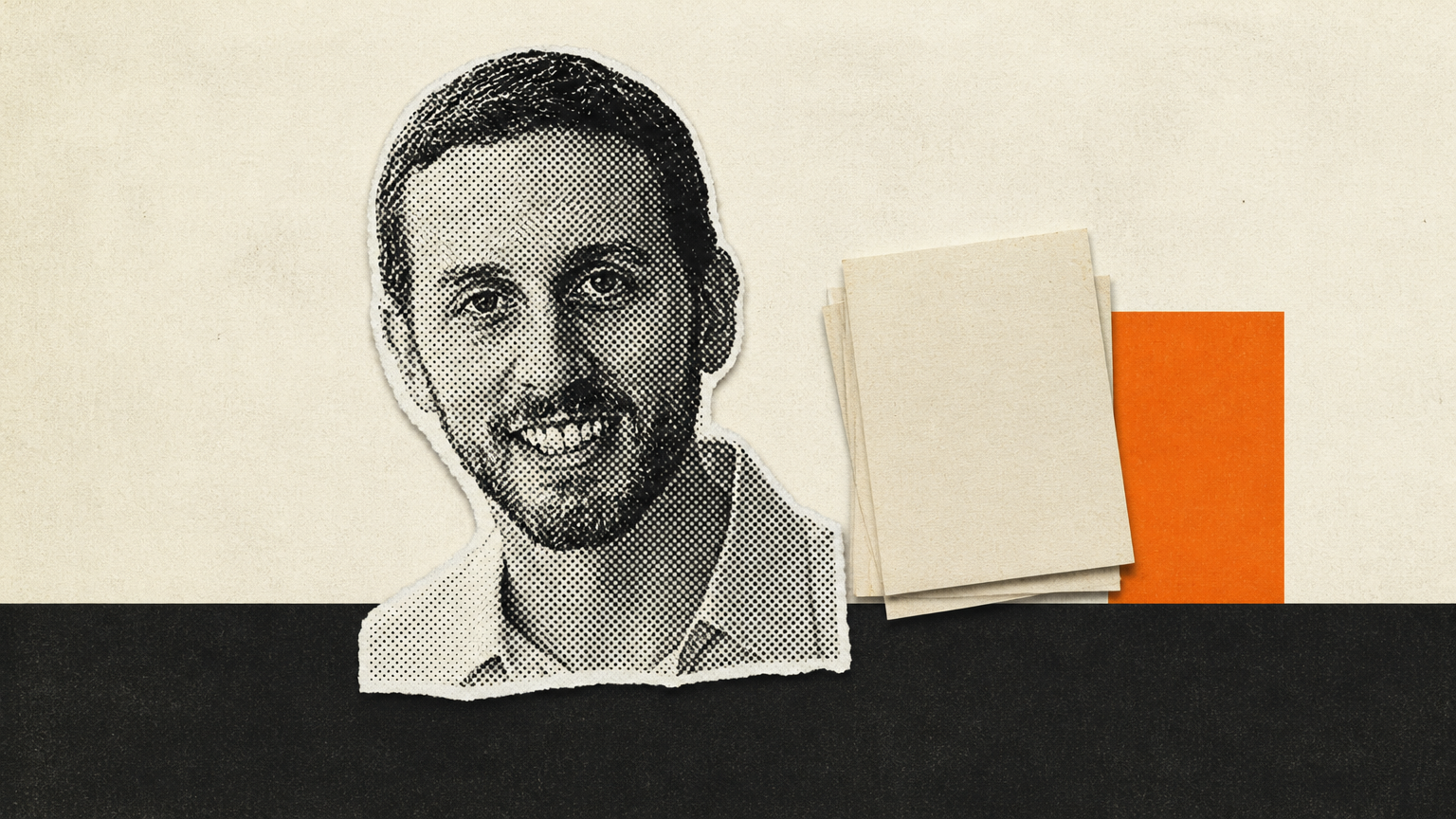
Scott Wiener, the California state senator who authored the state's vetoed frontier-AI bill, has won the tight race for the San Francisco congressional seat that former House Speaker Nancy Pelosi left open, and he says he is ready to regulate AI from Washington.
Wiener spoke with MIT Technology Review in an interview published November 9, 2026, a few hours after he was declared the winner.
He is best known on this beat for two bills. SB 1047, which he authored in 2024, was set to become the country's first real piece of frontier-AI legislation before California Governor Gavin Newsom vetoed it. Wiener then sponsored SB 53, a lighter-touch bill that Newsom signed. According to MIT Technology Review, both bills have inspired proposed federal legislation.
On where Congress stands, Wiener is direct. He called a report released the day before the interview by the AI nonprofit METR, which was widely read as evidence of recursive self-improvement, "very concerning." Recursive self-improvement is the idea that an AI system contributes to its own advancement. Wiener said he had hoped Congress would take decisive action before the end of the year, adding, "That does not appear to be happening."
What he wants instead is an enforcer. "I think it's really important to have a strong, empowered, nimble federal regulator," he said, pointing to legislation from Representative Ro Khanna, a fellow California Democrat, to create one. Wiener also named whistleblower protections, testing and auditing requirements, and a kill switch for advanced AI as priorities.
He draws a line on state power. Broad federal preemption of state AI laws, which some proposed bills would require, is something Wiener opposes. "You want the states to be able to continue to be nimble in ways that Congress sometimes is not," he said.
The race carried its own AI politics. Wiener's campaign took more than $3 million from Public First Action, an AI-regulation nonprofit that receives substantial funding from Anthropic, a contribution that drew criticism that he was too close to the industry. In a message after the interview, Wiener pushed back, writing that Public First supported him "because I was the first lawmaker in the country to introduce AI regulation and the first to pass it and get it implemented."
Wiener is a representative-elect, not yet sworn in, and any federal AI bill would still have to clear Congress and a president who has dismissed concerns about catastrophic AI risk. He has said that if Congress forms a select committee on AI, which Democrats have discussed since September, he would be eager to serve. He arrives as one of the few incoming lawmakers who has already written and passed AI rules at the state level.
The full interview is published at MIT Technology Review.
Sources
- technologyreview.com - the MIT Technology Review interview: Wiener's win, SB 1047 and SB 53, the Public First Action contribution, and all quotes